Best Framing Options for Acrylic Paintings | Styles, Materials, and Preservation
Explore the best framing options for acrylic paintings, including styles, materials, and preservation tips for long-lasting art display options.
This guide looks at smart framing options for acrylic art, points to current style trends, and shares care tips to keep that glowing finish intact. Whether it’s your own work or one by artists like Neil McBride, those small choices shape the lasting impression.
Why Framing Matters for some Acrylic Paintings
Acrylic paint creates a flexible, plastic-like surface that is remarkably resistant to heat and moisture. It can stretch or tighten depending on the weather – and it does not yellow over time like oil paint does.
Paintings on paper do need a professionally glazed frame for protection, particularly if the artist has applied the paint in thin glazes which can be affected by moisture. If a painting in a glazed frame isn’t well built, moisture can form and tiny bits of dust can sneak in behind the glazing. Framing acrylic paintings on paper isn’t just about making them look nice on your wall, it’s mainly about keeping them in good shape for many years.
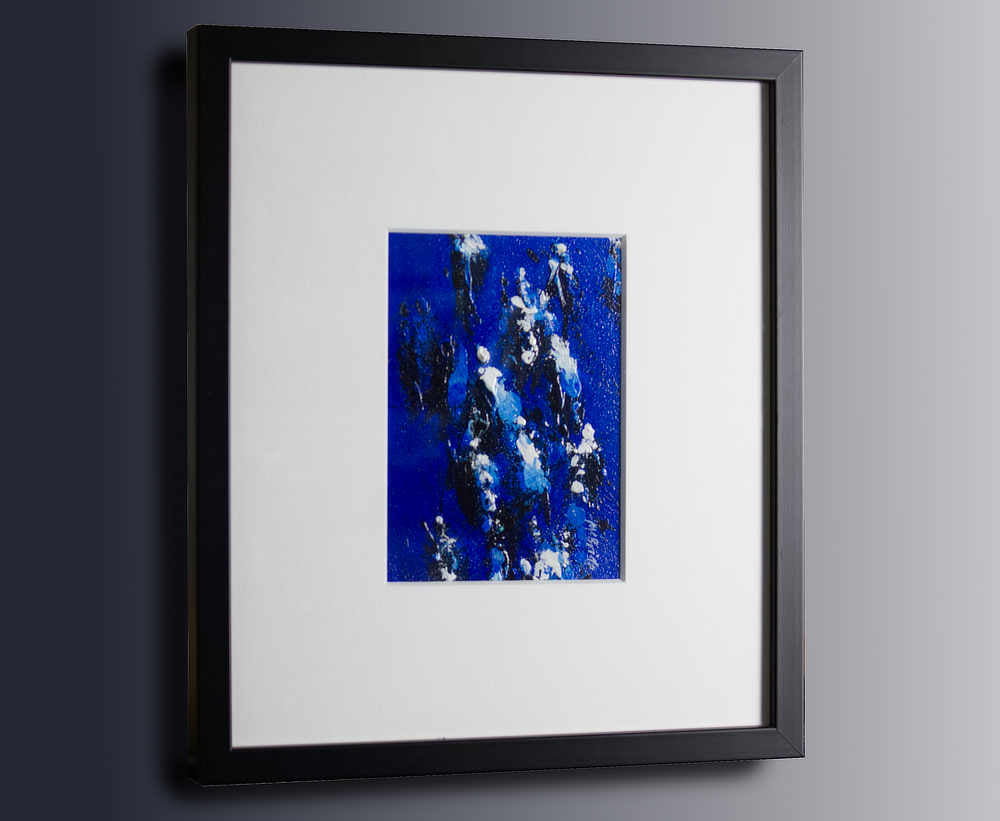
Paintings on paper or board are better protected behind a card mat and glazing.
Common framing features and their benefits
Paintings generally don’t like direct sunlight, so framers often pick UV-filtering covers, acid-free backing boards, and small spacers between the painting and glass. These small choices help stop fading, discolouration, and slow chemical changes that can affect the paint over time.
Exploring Popular Framing Styles and colours
Framing styles lean toward simple shapes, natural finishes, and choices that help the planet instead of hurting it. The minimalist approach, with soft colours, neutral grey colours. Contrasting white or chic black are still the current frame styles of choice. Earth-friendly coatings are also important for environmentally aware collectors and it’s easy to see why.
Rather than heavy, ornate frames, people often go for lighter ones that let the artwork breathe, showing every brushstroke and fine detail instead of covering them. The effect feels calm, open, and gently modern.
Deep edge canvases in a grey wooden Float/Tray Frame with a 5mm shadow gap is a neat idea.
The Float/Tray frame continues to be a favourite, creating the look of art hovering just inside its border. This style works especially well for acrylic pieces on deep edge and regular thin canvas, since it draws attention to texture and depth without stealing focus on the art.
Another design becoming more popular is the Shadow Box frame, which leaves a small space between the artwork and glass. That gap keeps fragile, textured paint safe and adds a soft, dimensional glow, almost as if the piece gives off its own light.
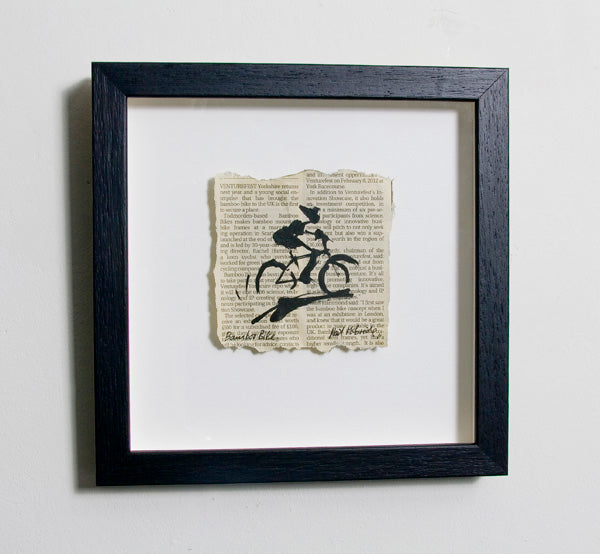 This news story of a bamboo bike with an added illustration of a cyclist is given added depth by offsetting the art from the background to create a shadow in this Shadow Box Frame.
Wood frames still attract many fans. Reclaimed wood, bamboo, and other sustainable materials complement highly textured, rustic themed art and appeal to those who care about design and the environment.
Acrylic glazing, as opposed to glass, works best for larger pieces, it’s light, easy to handle, and won’t break if the frame gets bumped. Smaller artworks often look best under museum-quality glass that keeps colours rich while blocking harsh UV light. Acid-free mats and backing boards might seem optional, but they quietly stop chemical damage that can sneak in over time.
Picking frame styles helps express the feel of your artwork, and that’s often where the fun starts. Big abstract paintings look great in a black Float frame, while a peaceful figurative landscape works with warm wood colours to emphasise the pastoral theme.
Preservation Checklist
• Pick acid-free mats with strong backings, they help prevent paper from turning yellow • Keep pieces out of direct sunlight, especially near windows where heat builds up quickly
• Try UV-protective glass or a clear acrylic cover; it helps colours stay bright
• Keep humidity below 50%, though that balance can be tough in some areas
• Lightly dust with a soft cloth, avoid strong cleaners
Small habits can make a big difference. These easy steps help acrylic paintings stay bright and lively, making art care simple and satisfying.
Display Options Beyond Traditional Frames
Acrylic paintings don’t always need a frame, and that freedom often makes them so appealing. Many artists like to leave the edges open so the brushwork and texture stay in focus, you can see every stroke and small colour change that way. Gallery-wrapped canvases, where the image carries over the sides, are still a favourite. They hang cleanly without extra framing, giving off that easy studio feel that fits bright living rooms or creative corners. Simple, sharp, and full of character.
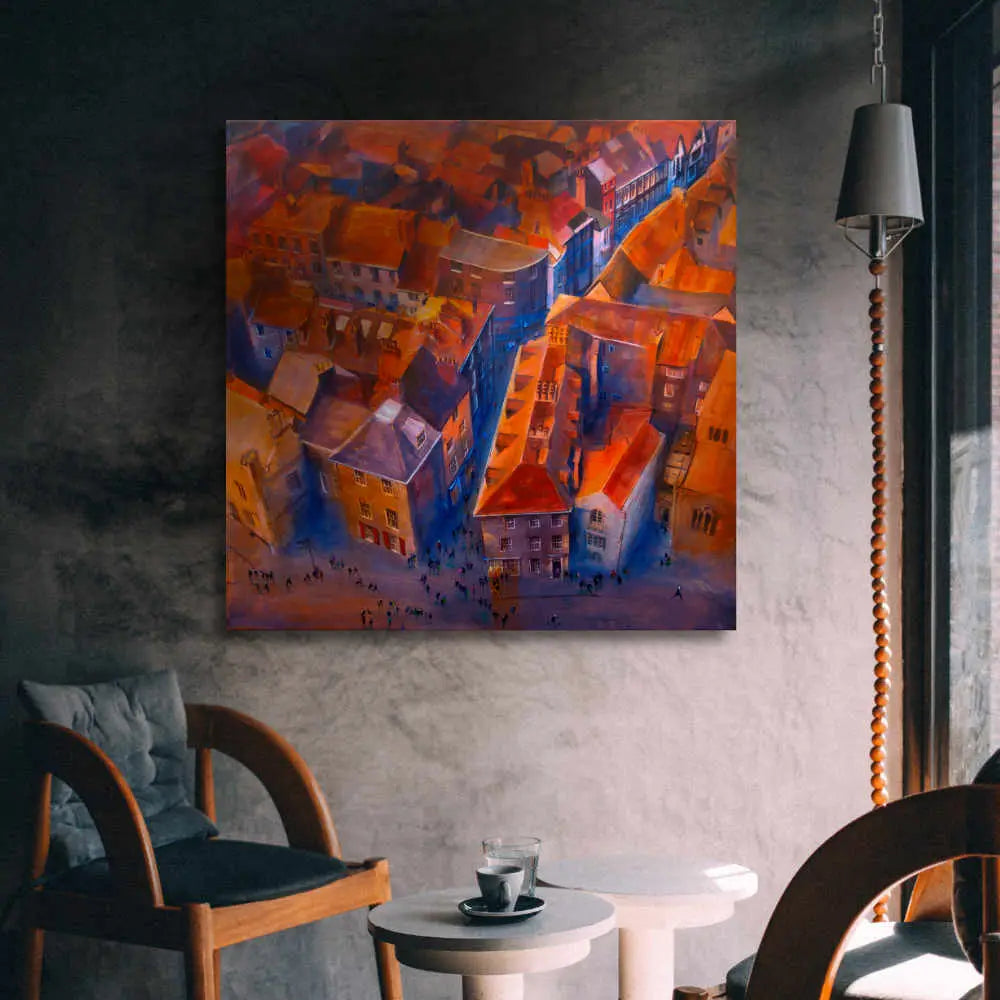
Big paintings on deep edge gallery canvas don't always need a frame and look very chic unframed.
Acrylic paintings, particularly heavily textured ones, are amazingly durable.
An unframed gallery wrap canvas is the preferred method of presenting large work on canvas from the studio of Neil McBride but a frame can complement a collector's decoration and it quietly keeps a painting's edges safe and fresh for years.
Lighting also makes a quiet but strong difference. Soft, indirect LEDs help bring out colour and detail while keeping the paint safe from heat.
Visit neilmcbrideart.co.uk/ for framing ideas and examples of paintings in rooms to make your art piece stand out beautifully.